Cartoons
Thy Duong
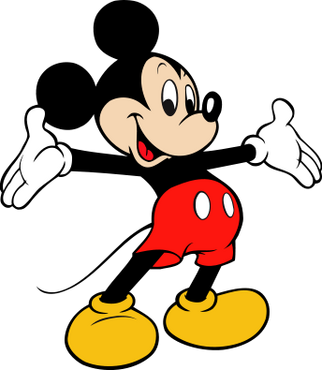
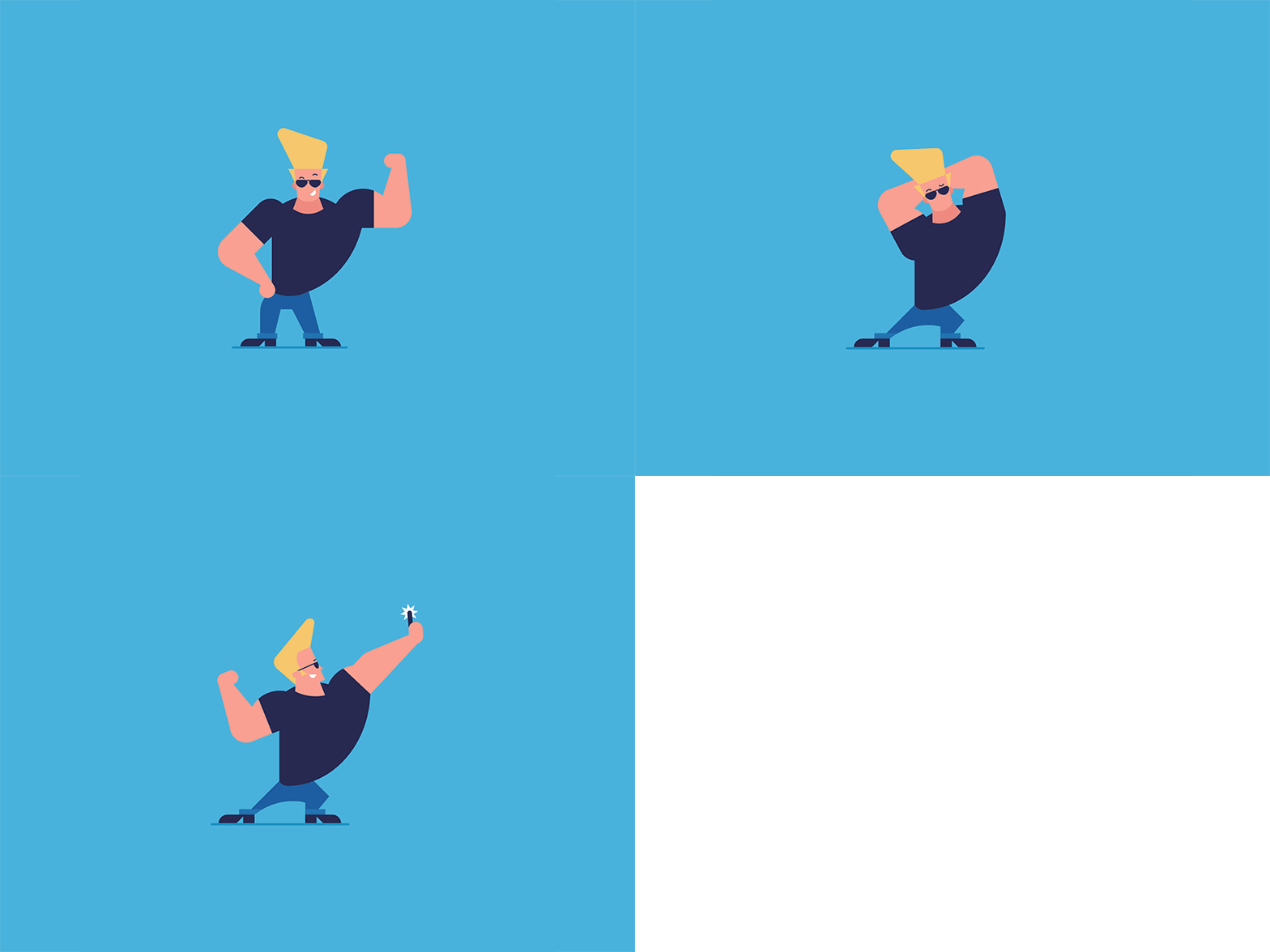
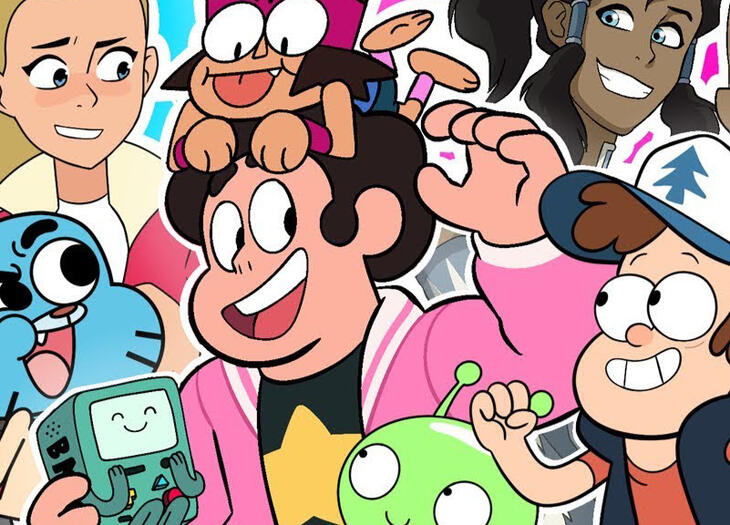
A style of art that is not the typical realism style and is sometimes referred to as the opposite of realism but can be semi-realistic. It is usually seen as sequential art (comics) and animation but can also be still images.
How Cartoons Came To Be
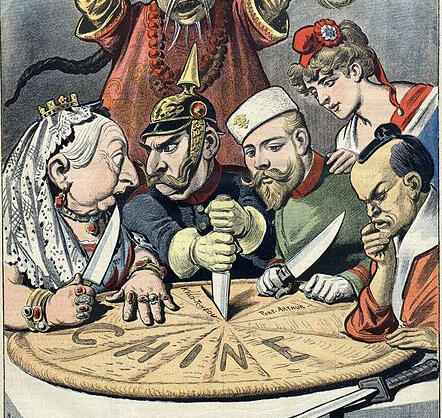
The art was said to have developed in the Europe during the 15th century from Renaissance and Reformation. Although the early cartoons in that time would not be considered cartoons now but they did share something in common- their main purpose was to be humorous. In fact, it was first referred as 'humorous illustrations' in "Punch" a British magazine in 1843.
Early cartoons were often caricatures- presentations of usually people but their features being exaggerated or replaced with other objects or living things (e.g. having a carrot as a nose). This was for the purpose of analogies. Cartoons then were mainly used for parody and were satirical especially towards events and politics.
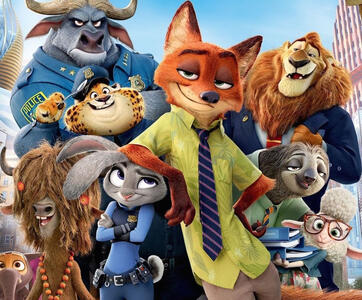
Although caricatures are still a thing, cartoons and their looks are used more often, now, to look funny and appealing to children while the content is usually relatable and valuable to educating children.
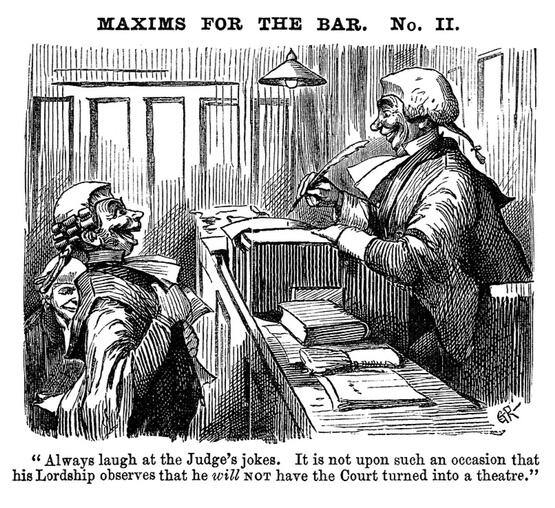
Maxims For The Bar, No. II
Punch Magazine - 1890.03.22
Animation and Cartoons
Text
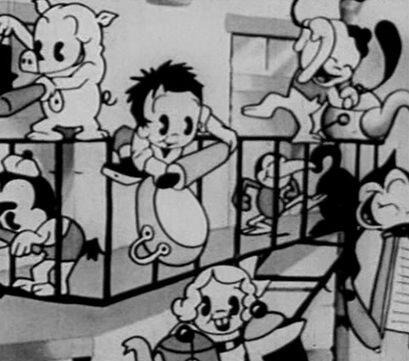
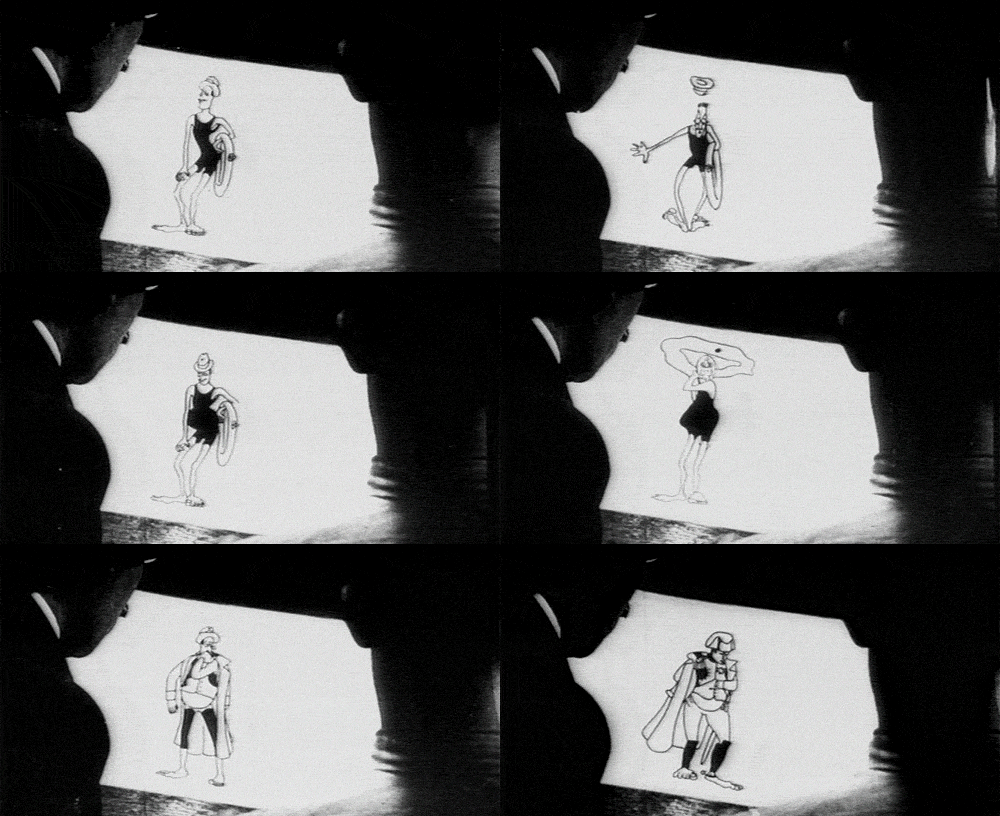
Just like cartoons as a still image, animations also had the goal of being humorous. Even the (technical) animation was made with the intent to be funny. This animation is "Humorous Phases of Funny Faces", also known as "Fantasmagorie" (1906) by J. Stuart Blackton. As the name suggests- it is a chalk animation of a series of funny faces that also includes other drawn scenarios.
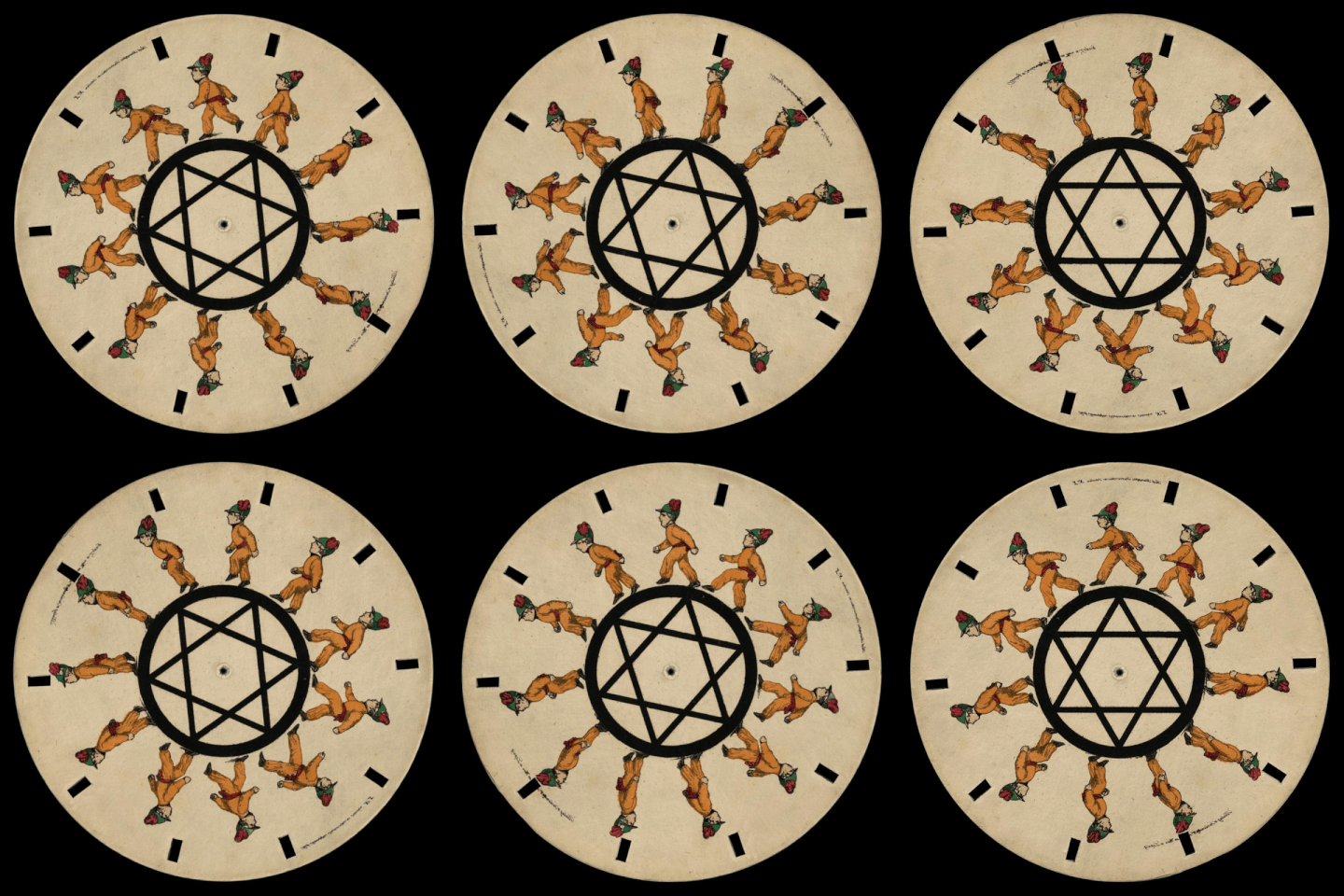
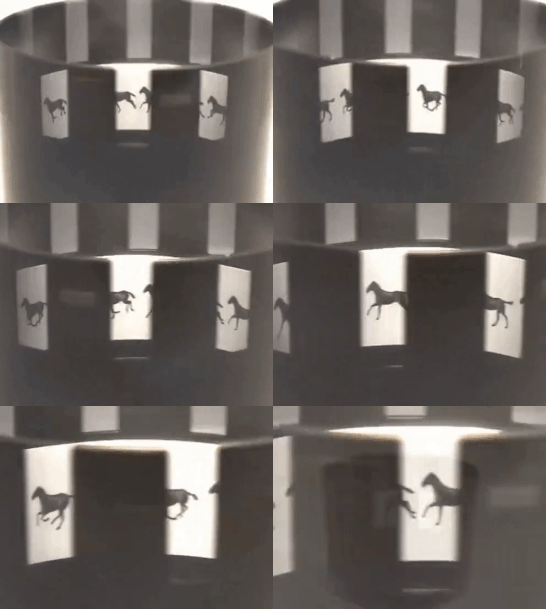
Before this camera based frame-by-frame type of animation was the phenakistoscope (a spinning cardboard disk) along with zoetropes.
It is not known why animators decided to use cartoons as their go-to for animations early on (or at least I couldn't find why) but is was probably because of its purposes for entertainment, message-telling, and propaganda- some of the same goals cartoons had.
Humorous Phases of Funny Faces
J. Stuart Blackton 1906
The Influence of Cartoons
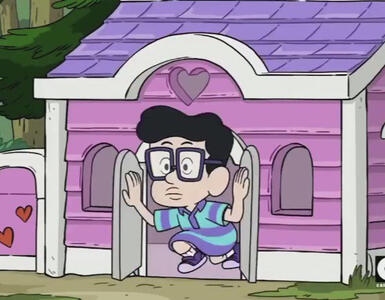
Since cartoons and cartoon animation became entertainment for children (because of its cooky style and ability to be unrealistically silly), its purpose was tweaked a bit- it would then be used to not only be relatable and funny but also to teach children lessons.
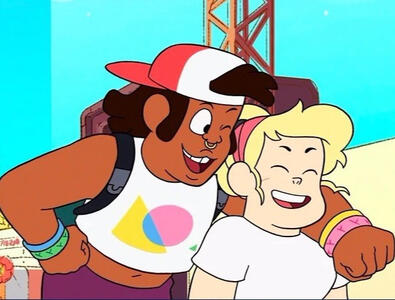
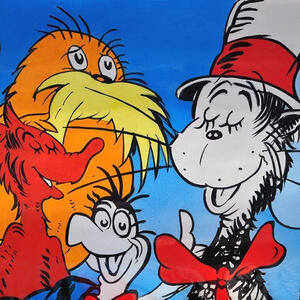
Children are very impressionable and they start to learn and understand the world in aspects such as language, etiquette, lifestyle, and society's values and issues (e.g. LGBT) so it made sense to take advantage of the cartoons to teach children these things. It would effect their views and opinions of the world. A popular example would be the Dr. Seuss cartoons.
Although it could also have the opposite affect as American Paediatric Academy experts found that kids who indulge in more violent and crude cartoons develop aggressive and disobedient behaviours.
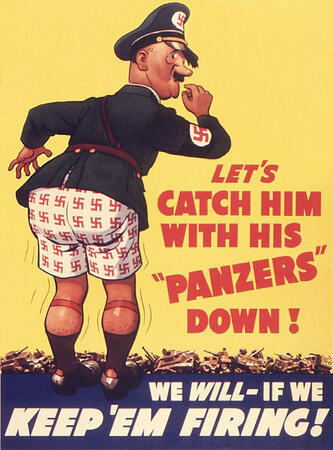
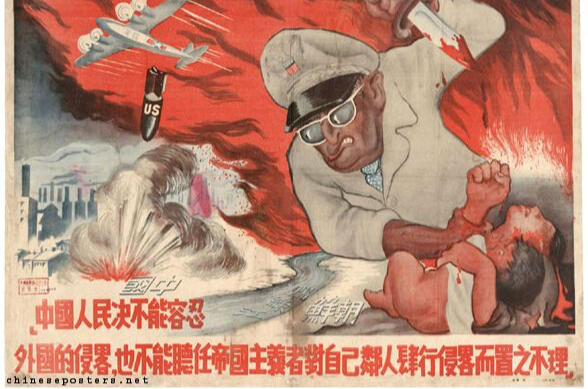
Cartoons have also been used to influence the world in different ways- such as propaganda. During World War II a famous German cartoon called "The Sleeping Prince" was made. The film depicted democracy as the evil, the princess being Germany, and the prince being Adolf Hitler. Walt Disney was also asked by the American Government to make anti-nazi cartoons. They made 32 cartoons, one of the famous ones being "Education for Death: The Making of the Nazi" (1943) and "Der Fuehrer's face" (1943). These were made with the purpose of creating an image of who the enemy was, taxes, and investments to the army.
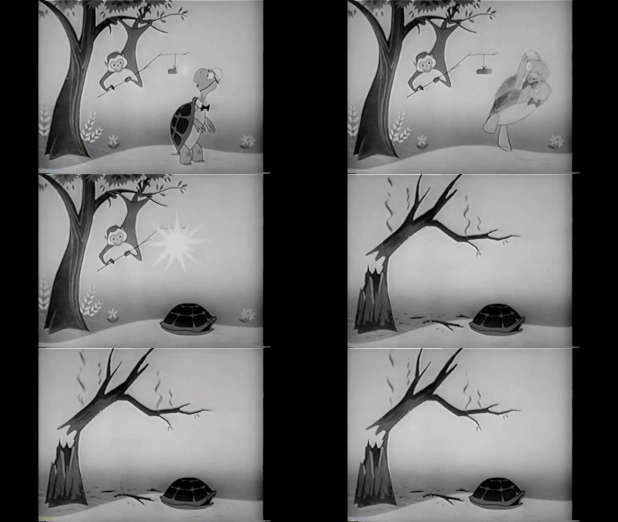
Although, not propaganda, during the time, a popular cartoon animation emerged called "Duck and Cover" (1951). It was made to educate people on how to keep safe from nuclear attacks using a cartoon turtle as an analogy.
Rise of Cartoons
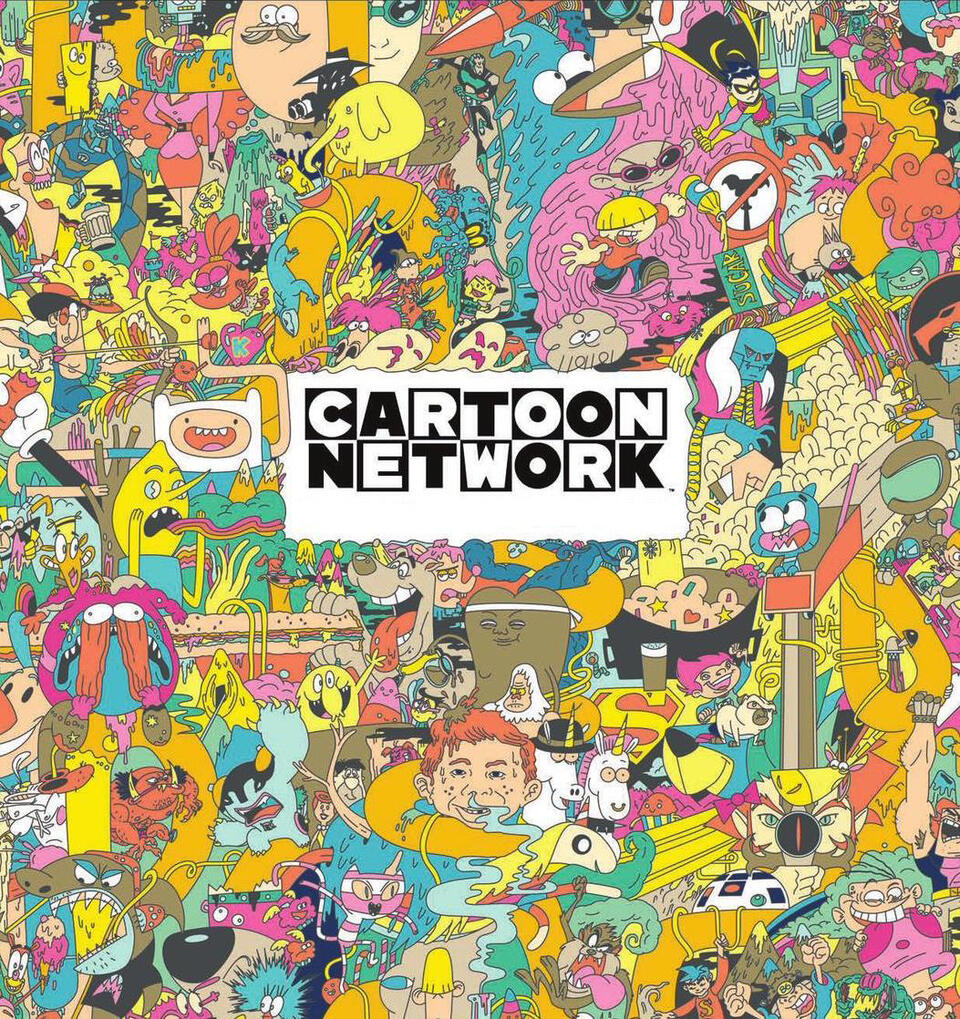
Cartoons didn't really start to gain the reputation it does now until around the 1980s. This was after the postwar economic boom (the large economic growth which happened after the Western 1973–1975 recession caused by factors like the oil crisis, the Vietnam War, and wall-street stock market crash.
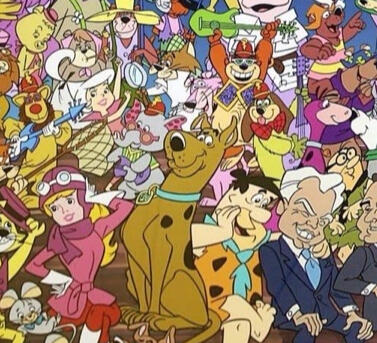
During this time, the television industry was bustling and many people and companies wanted to take advantage of that. Some of those people were "Pinwheel" (now known as Nickelodeon), which then became the first children's network. Nickelodeon had not only live-action programs but also cartoon ones. Cartoon Network was also one of the companies which chimed in.
Through its rough patches in the beginning, it was able to make a name for itself when it became the first network to air cartoons 24/7. They started off with airing all the retro shows but eventually were able to create and show their own original cartoons that are now iconic. At the time there was a demand for children shows because there was a lack of them and the shows they had were mainly for adults. Families wanted something that they could watch all together and now they had it.
Citations
- Cartoon Network history- https://youtu.be/3qcqdjC6U6U
- Nickelodeon history - https://youtu.be/r-seeo7gJF0
- https://enlightngo.org/language/en/post/7795/amp
- https://en.wikipedia.org/wiki/History_of_animation
- https://www.britannica.com/art/animation
- https://amp.theatlantic.com/amp/article/241448/
- https://en.wikipedia.org/wiki/Cartoon
- https://www.britannica.com/art/caricature-and-cartoon
- https://novakdjokovicfoundation.org/cartoons-and-their-influence/